Imagine a cancer researcher at a European biobank who wants to understand why some patients with colorectal cancer (CRC) have better outcomes than others, even when their disease appears identical under the microscope. Traditionally, there’s no known histological biomarker in lymph node tissue that can predict CRC risk – but what if AI could reveal one?
Updated 02/02/2026
When AI Sees What Humans Can’t: Predicting Colorectal Cancer Risk With AI
What if artificial intelligence could reveal what even the most experienced pathologists can’t see?
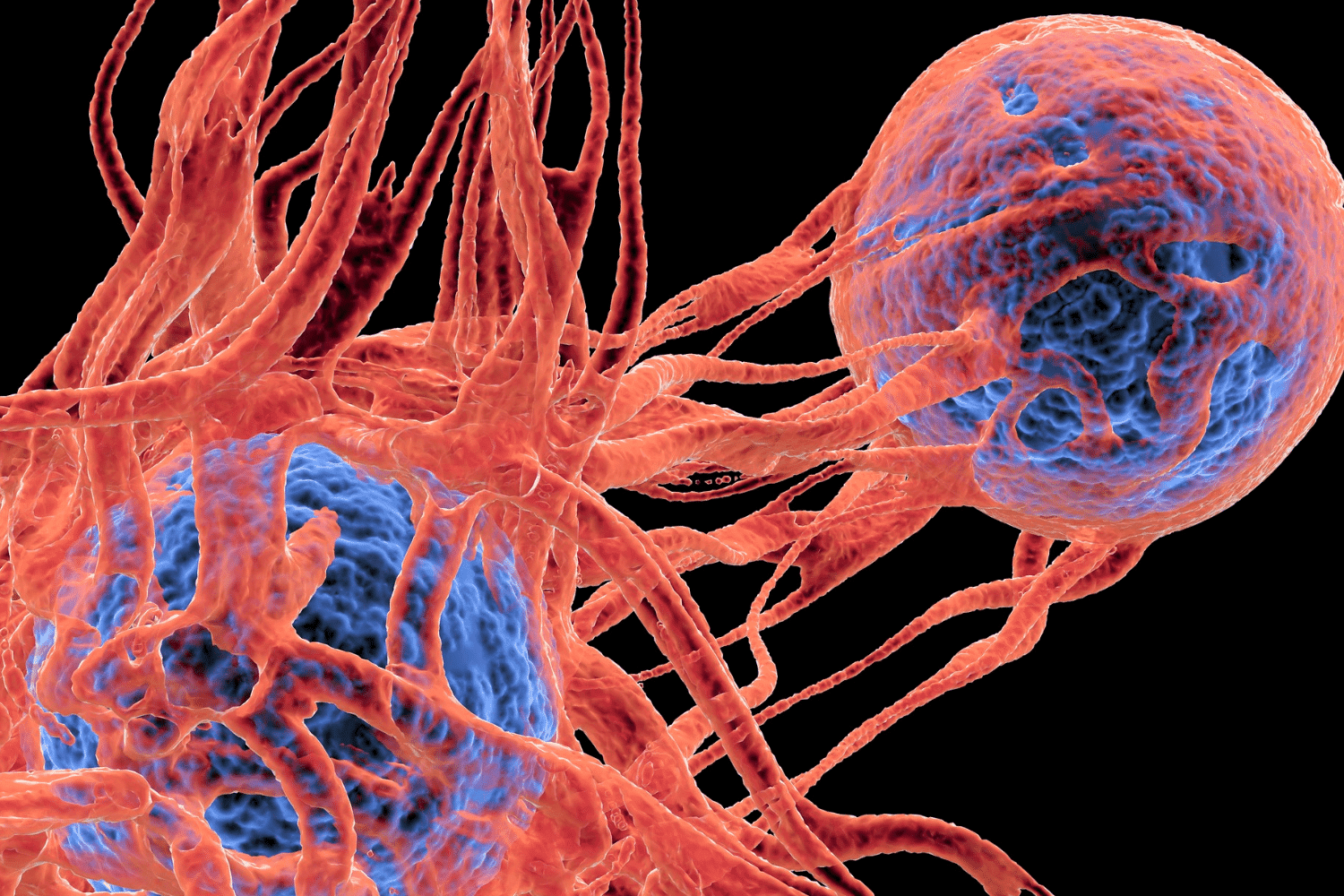
Thanks to RI-SCALE’s data and computing infrastructure, researchers will soon be able to analyse thousands of high-resolution lymph node images stored across BBMRI-ERIC’s European network of biobanks. Using AI models trained on patient survival data, the system begins to detect subtle tissue patterns that even expert pathologists can’t see.
Through RI-SCALE’s Data Exploitation Platform (DEP), researchers will be able to securely train and refine these models across multiple sites — without moving sensitive patient data outside of trusted environments. Once the AI identifies regions that most strongly correlate with patient outcomes, explainability tools translate these insights into visual cues that clinicians can understand and validate.
The result? A potential new digital histological biomarker for CRC risk stratification — one that could one day guide earlier diagnosis and more personalised treatments.
How RI-SCALE Makes It Possible
RI-SCALE equips research infrastructures like BBMRI-ERIC with the technology to combine large-scale data, cloud/HPC compute, and trusted AI frameworks. Its DEP technology acts as a bridge between data-rich RIs and AI-ready compute environments, enabling advanced analytics directly where the data resides.
By federating these environments across Europe, RI-SCALE unlocks the full value of research data — from environmental models to medical imaging — accelerating data-driven discoveries while preserving security, ethics, and FAIR principles.
“RI-SCALE is transforming how researchers can use Europe’s biobank data,” says Petr Holub, CIO at BBMRI ERIC, "By connecting data and compute through a trusted, interoperable platform, we’re turning research infrastructures into engines for AI-powered medical breakthroughs.”
The colorectal cancer use case demonstrates how RI-SCALE bridges the gap between data generation and data exploitation. By empowering researchers to train explainable AI models on federated data, the project showcases the future of trustworthy, human-centred AI in health research - scalable, secure, and impactful.
Who benefits
- Oncology researchers and computational pathologists seeking data-driven biomarkers.
- Clinicians using AI-assisted tools for earlier CRC diagnosis and precision care.
- All those involved in organising, managing, or supporting research infrastructure resources.