What if artificial intelligence could guide researchers through vast scientific datasets, highlighting insights they might otherwise miss
Updated 14/07/2026
AI That Guides Researchers Through Complex Datasets
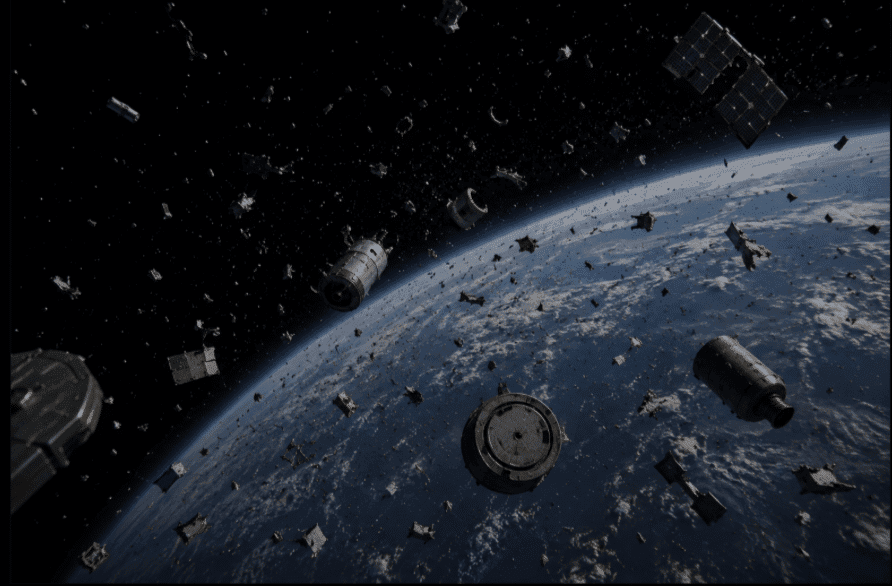
What if artificial intelligence could automatically detect and classify anomalies in radar data, helping researchers and operators track space debris and rare events?
Imagine the radar operators at EISCAT, monitoring Earth’s increasingly crowded orbit. With thousands of small satellites and “New Space” activities, the risk of collisions and debris creation grows daily. Radar datasets contain valuable information about these objects and anomalies, but manual analysis is slow and incomplete. AI offers a way to automatically identify unusual events, distinguish natural from anthropogenic anomalies, and produce actionable insights.
Thanks to RI-SCALE’s Data Exploitation Platforms (DEPs), anomaly detection models can now analyse EISCAT radar data in real time. These AI models detect rare or unusual radar events, classify them, and translate debris-related anomalies into orbital tracks - supporting sustainable space use and enhancing the scientific and operational value of radar datasets.
The result? Operators gain actionable insights to improve space situational awareness, support collision avoidance, and maximise the scientific return from existing radar data.
How RI-SCALE Makes It Possible
RI-SCALE equips EISCAT with federated compute, AI frameworks, and secure data pipelines that allow radar anomaly detection models to work directly on live datasets. Algorithms are trained and validated on historical and real-time streams to detect anomalies, classify events, and generate orbit information for debris objects.
By integrating AI with EISCAT’s infrastructure, RI-SCALE transforms radar data into actionable insights, making space operations safer, enhancing research on space weather and ionospheric conditions, and enabling broader exploitation of EISCAT data for both research and operational communities.
“The techniques developed within RI-SCALE will allow us to distinguish space debris from atmospheric phenomena and discern other rare radar events that would easily be missed otherwise,” says Thomas Ulich, Head of Science, EISCAT AB. “This enables new areas of research by unlocking the full potential of our radar data.”
Who benefits
- EISCAT facility operators monitoring radar datasets
- Researchers studying space weather, orbital debris, and ionospheric phenomena
- Satellite operators and space agencies aiming to prevent collisions
- Data scientists and engineers developing AI-based space monitoring tools