What if artificial intelligence could guide researchers through vast scientific datasets, highlighting insights they might otherwise miss
Updated 11/05/2026
AI That Guides Researchers Through Complex Datasets
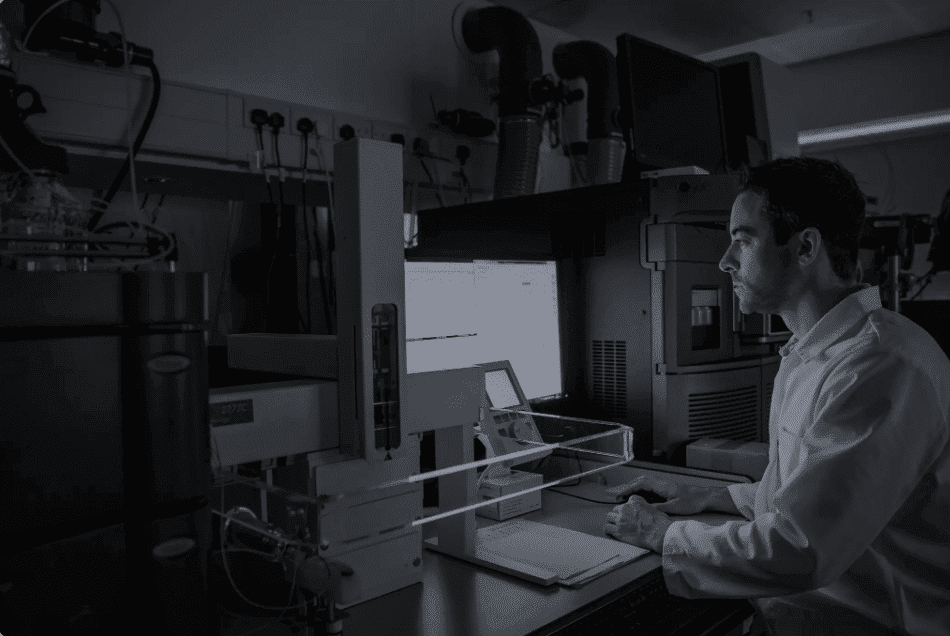
Imagine a scientist exploring heterogeneous bioimaging datasets across multiple modalities and scales. Finding the right data, understanding how to analyse it, and applying AI models can be slow and challenging. What if a smart assistant could accelerate discovery, summarise key patterns, and suggest relevant datasets for analysis?
Thanks to RI-SCALE’s Data Exploitation Platforms (DEPs), researchers will be able to use generative AI-powered assistants to explore biological imaging datasets on the BioImage Archive, identify the most suitable analysis tools, and guide AI analyses. This interface will allow users to move from data retrieval to sophisticated analysis through natural language, removing the need for deep coding knowledge and ensuring that the platform's most advanced features are accessible to the entire scientific community.
The result? A more inclusive, efficient, and scalable research ecosystem - all while maintaining security, reproducibility, and compliance with FAIR principles.
How RI-SCALE Makes It Possible
RI-SCALE tackles a growing bottleneck in Research Infrastructures: as datasets expand rapidly, navigating and analysing them becomes increasingly challenging. Through DEP, RI-SCALE introduces AI-powered assistants directly into research environments, allowing researchers to interact with data through natural language. By integrating generative AI models with underlying datasets, producing recommendations, summaries, or embeddings to support data discovery and analysis,RI-SCALE transforms research infrastructures into smarter, more accessible tools for science.
“Using RI-SCALE AI assistant, researchers can discover and explore datasets that would otherwise remain unseen, unlocking new opportunities for discovery” says Beatriz Serrano-Solano, Euro-BioImaging ERIC.
Who benefits
- Researchers navigating and analysing complex, large-scale datasets
- Research infrastructure operators aiming to enhance services for their communities through reduced support burden, more efficient infrastructure operations
- Data scientists building AI models on research infrastructure data